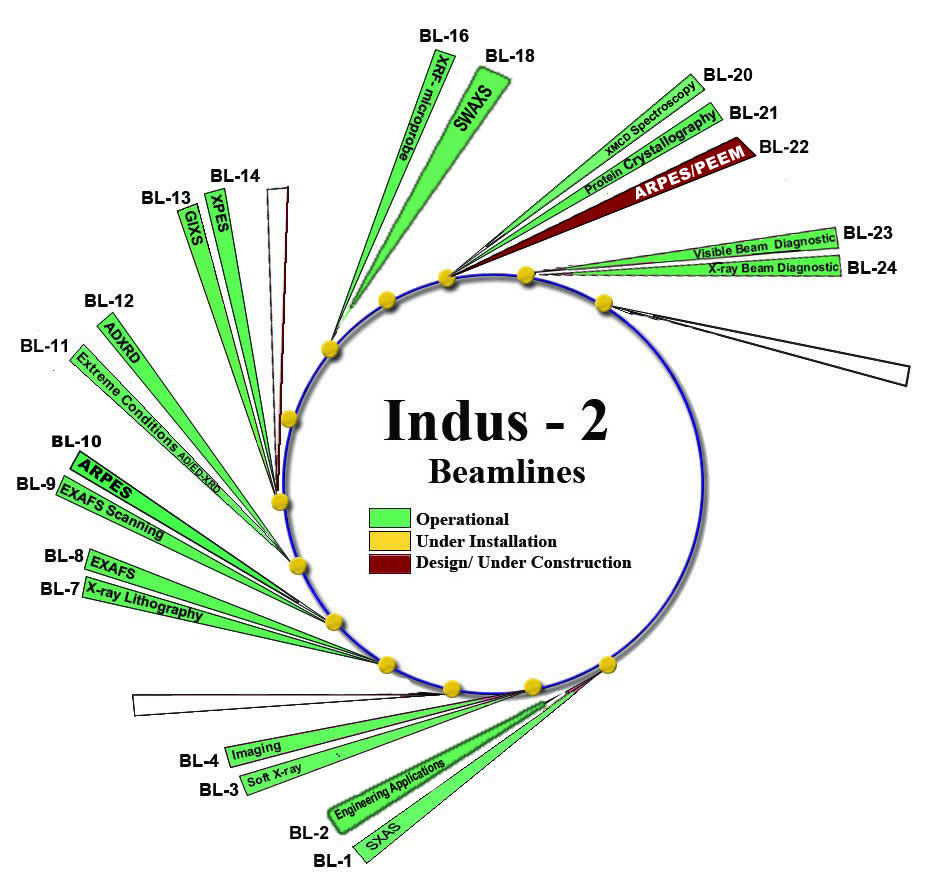
Indus-2 beamlines
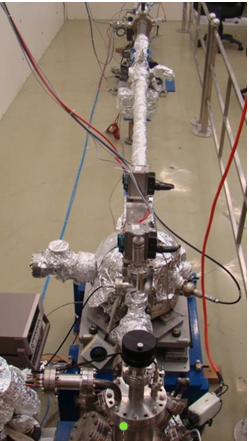
BL-01| XAS, XMCD
- Energy range:0.1 keV to 1.2 keV
- Experimental Facilities: XAS, XMCD
- Applications: Chemical environment of elements, mainly low atomic number elements (e.g., B, C, N, O) and L or M edges of some transition metals.
BL-02|Engineering applications
- Energy range: 5 to 25 keV (monochromatic beam) 5-40 keV (white beam)
- Experimental Facilities: ADXRD, EDXRD, XRR
- Applications: Stress analyses in small and industrial components (upto 500 mm length), thinfilms.
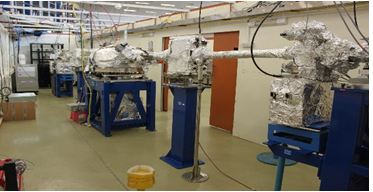
BL-03|Soft x-ray reflectivity
- Energy range: 0.1 keV to 1.5 keV
- Experimental Facilities: Soft x-ray reflectivity, XAS, and Soft x-ray fluorescence
- Applications: X-ray reflectivity of low Z elements (e.g., B, C, Si, SiO2 etc)). Testing of x-ray mirrors and detectors
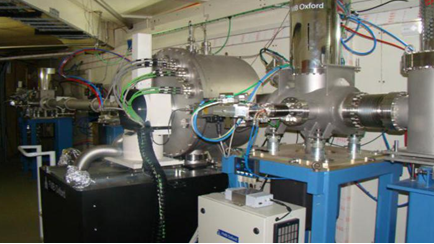
- Energy range: 8 keV to 35 keV
- Experimental Facilities: X-ray phase contrast imaging and 3D X-ray micro-tomographic imaging.
- Applications: Visualization of micro-structural features and density mapping in engineering soft materials and bio-medical tissues/plants.
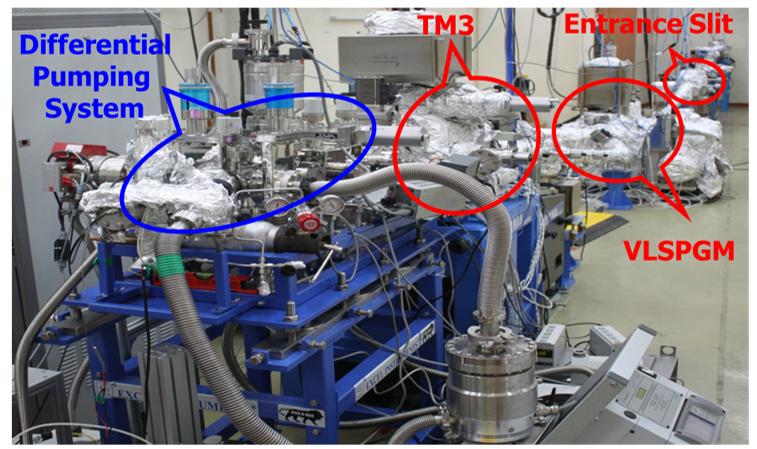
- Energy range: 6 eV to 800 eV
- Experimental Facilities: XAS setup and Gas cell for photo absorption studies
- Applications: Atmospheric science, astro-chemistry, advanced material research
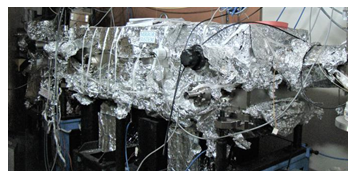
BL-07|X-ray Lithography
- Energy range: 1.5 to 20 keV, Pink beam
- Experimental Facilities: X-ray Scanner
- Applications: Fabrication of refractive structures, MEMS based devices, Development of new resist materials, Irradiation of biological samples, waste water samples, seeds and material science samples.
BL-08| Dispersive Extended x-ray Absorption Fine Structure (EXAFS)
- Energy range: 5 to 20 keV, white beam
- Experimental Facilities: Dispersive XAFS
- Applications: Time resolved measurements, e.g. progress of a chemical reaction.
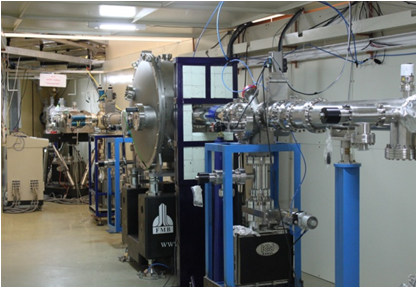
BL-09| Scanning EXAFS
- Energy range: 4 to 25 keV
- Experimental Facilities: XANES/EXAFS in transmission and fluorescence geometry.
- Applications: Identification of oxidation state, local environment (co-ordination number and type of atoms) for solid, liquid, thin films etc.
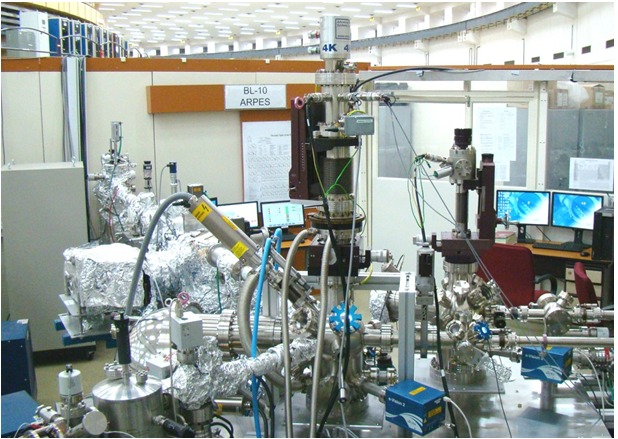
BL-10| Angle Resolved Photoelectron Spectroscopy (ARPES)
- Energy range: 30 eV – 1000 eV
- Experimental Facilities: ARPES, Resonant Photoemission (RPES), Synchrotron XPS
- Applications: Density of states, band structure and Fermi surface mapping, analyses of chemical state of elements, band alignment at heterojunction.
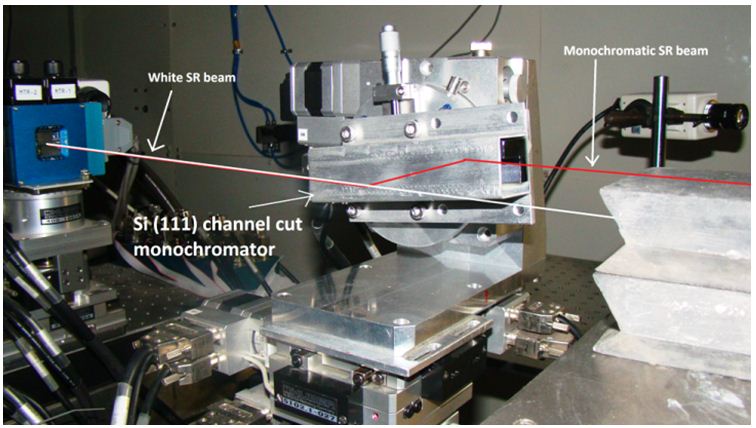
BL-11| Extreme conditions x-ray diffraction beamline
- Energy range: 10 to 30 keV,white beam
- Experimental Facilities: EDXRD, ADXRD, High pressure XRD
- Applications:Behavior of materials in extreme conditions.
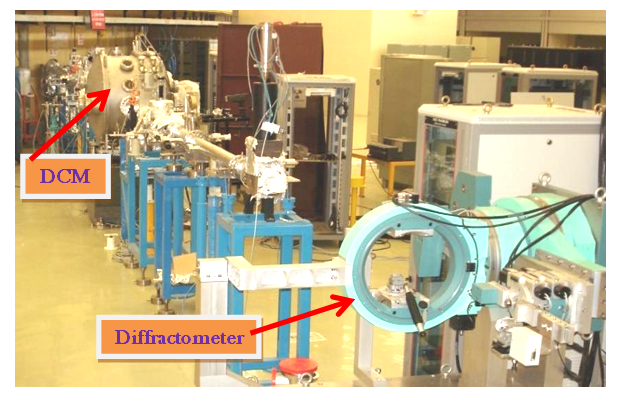
BL-12| Angle dispersive x-ray diffraction beamline
- Energy range: 5 keV to 25 keV
- Experimental Facilities: ADXRD at low temperature, high temperature and high pressure
- Applications: Materials studies, reciprocal space mapping, thin films and epitaxial layers
BL-13| Grazing incidence x-ray scattering
- Energy range: 5 keV to 20 keV
- Experimental Facilities: GIXS, GIXRD, XRR, RSM, SCXRD, ADXRD
- Applications: Thin films, multilayers, single crystals, powder samples
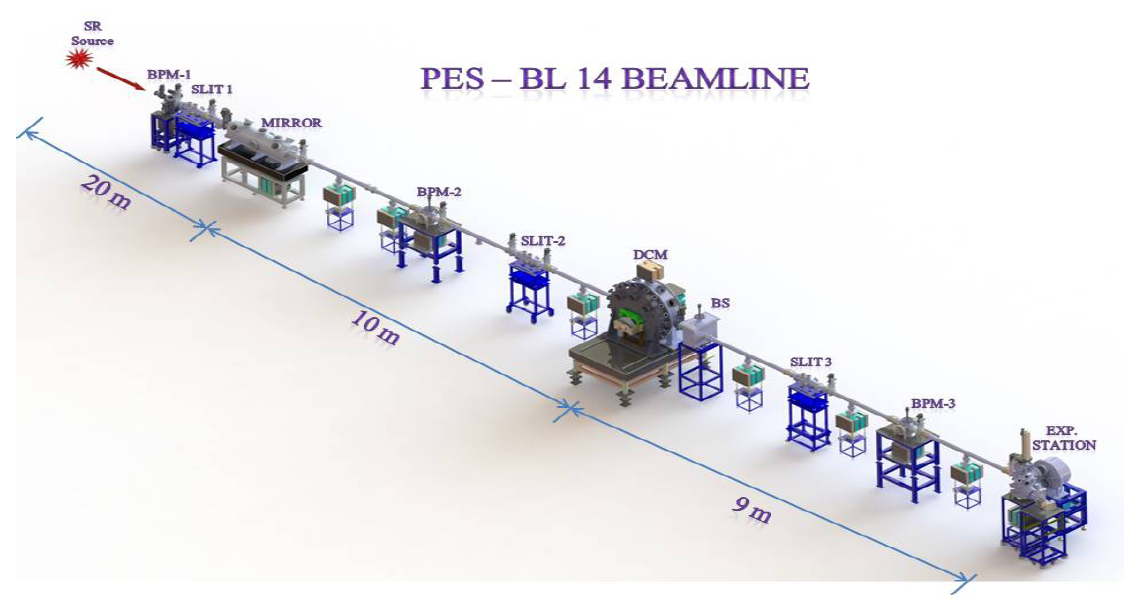
BL-14| Hard x-ray Photo-Electron Spectroscopy
- Energy range: 2 to 15 keV
- Experimental Facilities: XPS setup, 15 keV analyzer, UV source, e-flood gun, Ar-ion sputtering
- Applications: Analyses of chemical state of elements, materials research, relatively deeper information (up to 30 nm)
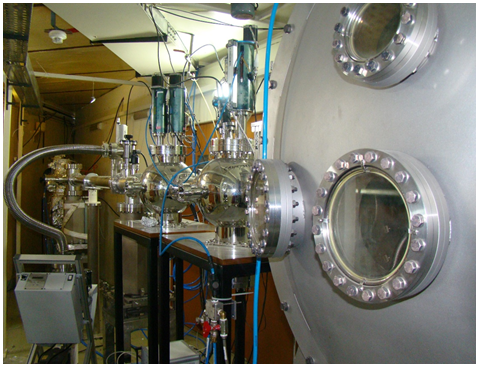
BL-16| X-ray fluorescence microprobe
- Energy range: 5 to 20 keV
- Experimental Facilities: XRF, TXRF, micro-XRF setup, XRR, GIXRF, 2D-Elemental mapping
- Applications: To identify elemental composition of materials and detect ppm level of impurities, analysis of thin films and nanoparticles.
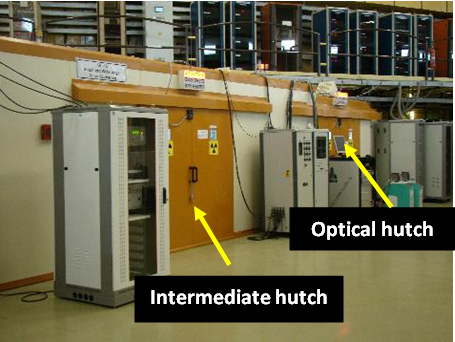
BL-18| Small and Wide-Angle X-ray Scattering(SWAXS)
- Energy range: 5 to 20 keV
- Experimental Facilities:SAXS/WAXS, scanning & time resolved SAXS, temperature, tensile and magnetic stage
- Applications: To probe the nanoscale structures in soft matter, biology, polymer, nanomaterials porous materials, alloys etc.
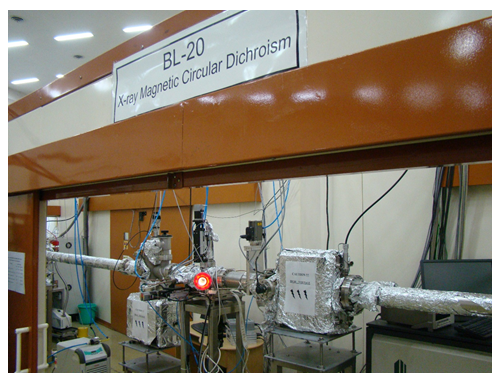
- Energy range: 300 eV to 1000 eV (circular) 300 eV to 2000 eV (Plane polarization)
- Experimental Facilities:TEY setup with 1.4 T field and 25 K to room temperature
- Applications: To study element specific magnetic properties of materials
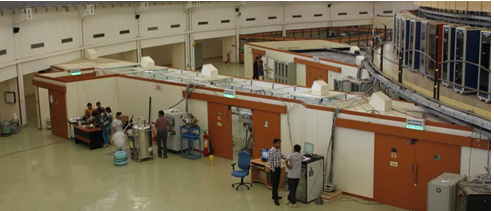
BL-21| Protein crystallography
- Energy range: 5 to 20 keV
- Experimental Facilities:Single crystal diffraction, SAD, MAD
- Applications: To determine the structure of proteins, organic molecules.